
Mastering the Basics of Motor Repairs
- liljohnny757
- Sep 25, 2025
- 4 min read

When a motor stops working, it can feel overwhelming. But fixing it doesn’t have to be complicated. I’ve learned that mastering the motor repair basics is the key to getting things running smoothly again. Whether it’s a lawn mower, a small engine, or roadside equipment, understanding the fundamentals helps you save time and money. Let’s dive into the essentials and get you confident in handling motor issues.
Understanding Motor Repair Basics
Before you start any repair, it’s important to know how your motor works. Most small engines have similar parts: a carburetor, spark plug, air filter, fuel tank, and ignition system. Each part plays a role in making the motor run.
Carburetor: Mixes air and fuel for combustion.
Spark Plug: Ignites the fuel-air mixture.
Air Filter: Keeps dirt out of the engine.
Fuel Tank: Stores the gasoline.
Ignition System: Powers the spark plug.
Knowing these parts helps you identify what might be wrong. For example, if your motor won’t start, the spark plug or fuel supply could be the issue. If it runs rough, the carburetor might need cleaning.
Start by checking the basics:
Is there fuel in the tank?
Is the spark plug clean and properly gapped?
Is the air filter clean and not clogged?
These simple checks often solve common problems.

Close-up view of a small engine carburetor showing key components
Tools You Need for Motor Repairs
Having the right tools makes motor repairs easier and faster. You don’t need a full workshop, but a few essentials will help you get started.
Socket set and wrenches: For loosening and tightening bolts.
Screwdrivers: Both flathead and Phillips.
Spark plug wrench: To remove and install spark plugs.
Pliers: For gripping and pulling parts.
Cleaning brush and carburetor cleaner: To remove dirt and buildup.
Multimeter: To check electrical components.
Keep these tools handy. When you spot a problem, you can jump right in without delay. A clean workspace and good lighting also make a big difference.
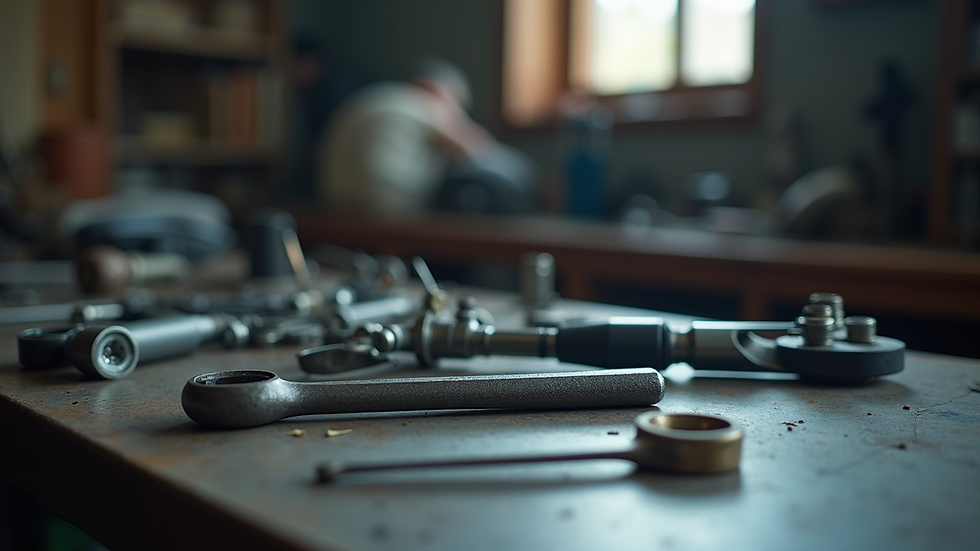
Eye-level view of a set of motor repair tools laid out on a workbench
Is it Worth Fixing a Motor?
Sometimes, you might wonder if fixing a motor is worth the effort or cost. The answer depends on a few factors:
Age of the motor: Older motors may need more frequent repairs.
Cost of parts: Some parts can be expensive or hard to find.
Extent of damage: Minor issues are easier and cheaper to fix.
Usage needs: If you rely on the motor daily, quick repairs make sense.
If the motor has sentimental value or is part of essential equipment, fixing it is often the best choice. For example, a lawn mower that needs a new spark plug or carburetor cleaning is usually worth repairing. On the other hand, if the engine block is cracked or the motor has major internal damage, replacement might be better.
When in doubt, consult a professional. They can assess the motor and recommend the best course of action.

High angle view of a mechanic inspecting a small engine motor for damage
Step-by-Step Guide to Basic Motor Repairs
Let’s walk through a simple motor repair process. This example focuses on a motor that won’t start.
Check the fuel: Make sure there is fresh gasoline in the tank. Old fuel can cause starting problems.
Inspect the spark plug: Remove it using a spark plug wrench. Look for dirt, corrosion, or damage. Clean or replace if needed.
Clean the air filter: A clogged air filter restricts airflow. Wash or replace it if dirty.
Examine the carburetor: Dirt and varnish can block fuel flow. Use carburetor cleaner and a brush to clean it.
Test the ignition system: Use a multimeter to check for spark. If no spark, the ignition coil or wiring may need repair.
Reassemble and test: Put everything back together and try starting the motor.
If the motor still doesn’t start, it might need professional attention. But these steps fix many common problems.
When to Call in the Experts
Some motor issues require specialized knowledge and tools. If you encounter any of these, it’s time to get help:
Major engine rebuilds or internal damage.
Electrical system failures beyond the spark plug.
Complex carburetor repairs or replacements.
Persistent problems after basic troubleshooting.
Professional services offer thorough diagnostics and quality repairs. They can also provide maintenance tips to keep your motor running longer.
For reliable and expert motor repairs, trust experienced technicians who understand small engines inside and out.
Keep Your Motor Running Smoothly
Regular maintenance is the best way to avoid breakdowns. Here are some tips to keep your motor in top shape:
Change the oil regularly.
Replace the air filter as needed.
Use fresh fuel and add fuel stabilizer if storing the motor.
Clean the spark plug and replace it yearly.
Store equipment in a dry, sheltered place.
By following these simple steps, you’ll extend the life of your motor and reduce repair costs.
Mastering the motor repair basics gives you control and confidence. You can handle small issues yourself and know when to seek professional help. Keep learning, stay prepared, and your motors will keep running strong.

Close-up view of a well-maintained small engine motor showing clean parts


Comments